6-Day Kilimanjaro
Rongai Route
The Northern Wilderness Route
Kilimanjaro's Most Remote & Wild Summit Path
The Rongai Route is Kilimanjaro's only path that approaches from the north — beginning near the Kenyan border and traversing through pristine wilderness that sees far fewer climbers than the southern routes. The result is a profoundly different experience: near-solitude on the mountain, dramatic views of the northern ice fields, and landscapes that shift from untouched montane forest through open moorland to the barren, otherworldly northern slopes.
Our 6-day itinerary builds in a critical extra acclimatisation night at Third Cave Camp, giving your body time to adapt before the summit push. With our KPAP-certified guides, pulse oximetry monitoring and chef-prepared meals at every camp, you arrive at Uhuru Peak with every advantage working in your favour.
Truly Off the Beaten Path
The Rongai is the least-crowded of all Kilimanjaro routes. You'll spend most days on the mountain in near-silence — just your team, the wind, and Africa's rooftop spread out before you.
Dramatic Northern Scenery
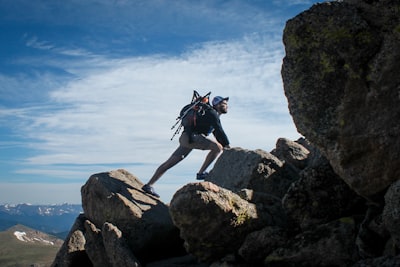
The northern slopes look entirely different to the rest of the mountain. Expect open savanna-like moorlands, colobus monkeys in the forest zone, and stunning views into Kenya's plains on clear days.
Gradual, Forgiving Ascent
The Rongai's northern approach offers a gentle, steady gradient — considered one of the most forgiving profiles on the mountain. The 6-day schedule adds an extra acclimatisation night that significantly boosts summit success.


Elevation Profile — 6 Days Rongai
An early departure from Moshi for the two-hour drive north to the Rongai Gate (1,950m), close to the Kenyan border. After registration formalities, the trail enters dense montane forest — rich with colobus monkeys, exotic birds and the scent of wild herbs. The path is immediately quieter and more remote than anything you'd find on the southern routes. A steady climb through thinning trees brings you to First Cave Camp (2,600m), a sheltered spot named for the nearby lava tube cave. Your chef will have dinner ready as dusk settles over the northern slopes.
The forest gives way to open heathland and moorland as the views begin to open up spectacularly. On a clear morning you may see Mawenzi's jagged peak to the east and, if you look back north, Kenya's plains stretching toward the horizon. The landscape is dotted with giant lobelias and everlasting flowers. The trail remains calm and well-graded as you climb steadily to Second Cave Camp (3,450m) — one of the finest camp positions on the entire Rongai Route, with an open panorama you'll want to photograph at sunset.
A shorter but increasingly dramatic day as the moorland gives way to the high alpine zone. Kibo's summit dome grows larger with every step and the landscape turns more austere — all ash, lava rock and sparse groundsel. Third Cave Camp (3,950m) sits in a natural hollow below the northern face of Kibo, with some of the most dramatic close-up views of the summit on any Kilimanjaro route. This is where the altitude begins to be felt — take it slow, eat and drink well, and your guide will check your oxygen saturation this evening.
This extra day at Third Cave Camp is the key feature of our 6-day itinerary and what meaningfully improves your chances of reaching Uhuru Peak. The morning is for rest — sleep in, eat a proper breakfast, and let your red blood cells get to work. In the afternoon your guide will lead a short walk to about 4,200m before descending back to camp for the night — the classic "walk high, sleep low" technique proven to accelerate acclimatisation. Hydrate constantly. Eat well. Move slowly. Tomorrow begins the final climb.
A short morning walk brings you to School Hut (4,673m), where you rest and take lunch before the summit attempt. Around midnight, wrapped in every layer you own, you begin the final ascent by headtorch — up the steep northern slope directly toward Gilman's Point on the crater rim (5,681m). The Rongai's summit approach is direct and raw: no zigzags, just your guides, your breathing, and the dark. From Gilman's Point a further hour of crater rim walking leads to Uhuru Peak (5,895m) — the Roof of Africa. Descent via the Marangu Route to Horombo Hut for the night.
After a well-earned breakfast at Horombo Hut, we descend the full length of the Marangu Route — through moorland and then back into the rainforest — to Marangu Gate. The descent is long but the forest is beautiful and the mood is celebratory. Your Kilimanjaro summit certificate is presented at the gate. Fond farewells to your porter and guide team before the drive back to Moshi for a hot shower, a cold drink, and a dinner you have absolutely earned.
- All park entry fees and conservation area fees
- Professional KPAP-certified lead guide
- All porters, assistant guides and support staff
- Camping equipment (tents, dining tent, toilet tent)
- All meals from Day 1 lunch to Day 6 lunch
- Hot drinks and snacks throughout the trek
- Pulse oximetry altitude monitoring twice daily
- Emergency oxygen cylinder and first-aid kit
- Hotel/lodge transfers from/to Moshi
- Kilimanjaro summit certificate
- All Tanzanian government taxes and levies
- International flights and Tanzania visa
- Travel insurance (required — must cover high altitude)
- Personal hiking gear (boots, sleeping bag, poles)
- Hotel accommodation in Moshi before/after climb
- Tips for guides and porters (strongly encouraged)
- Alcoholic beverages and personal snacks
- Altitude medication (consult your doctor)
Why Choose the Rongai?
The Rongai is ideal for climbers who want a quieter, more wilderness-feeling experience. The northern approach means drier conditions (less rainfall than the southern routes), a more gradual ascent profile, and far fewer other trekking groups. The Rongai also offers a unique traverse experience — you ascend from the north and descend via Marangu to the south, crossing the mountain rather than retracing your steps.
Best Seasons
The Rongai Route, approaching from the drier northern side, is climbable year-round. The driest and clearest windows are January–March and June–October. The northern rain shadow means even during Tanzania's wet seasons, the Rongai typically receives less precipitation than southern routes.
Essential Gear
- ›Waterproof hiking boots (well broken-in)
- ›Sleeping bag rated to -15°C minimum
- ›Warm layers — fleece, thermals, down jacket
- ›Waterproof jacket and trousers
- ›Warm hat, balaclava, neck gaiter, gloves
- ›Trekking poles (recommended)
- ›Headlamp with spare batteries
 Best Route
Kilimanjaro Lemosho Route — 7 Days
Classic HutsKilimanjaro Marangu Route — 6 Days
 Top Seller
Tanzania Big Five — 5-Day Safari
Uhuru Awaits
Ready to Climb Kilimanjaro?
Send us your dates and we'll have your personalised Rongai Route quote within 24 hours. No pressure, no hidden costs — just honest advice from guides born at the foot of this mountain.