7-Day Kilimanjaro
Lemosho Route
The Route
Tanzania's Most Scenic Kilimanjaro Route
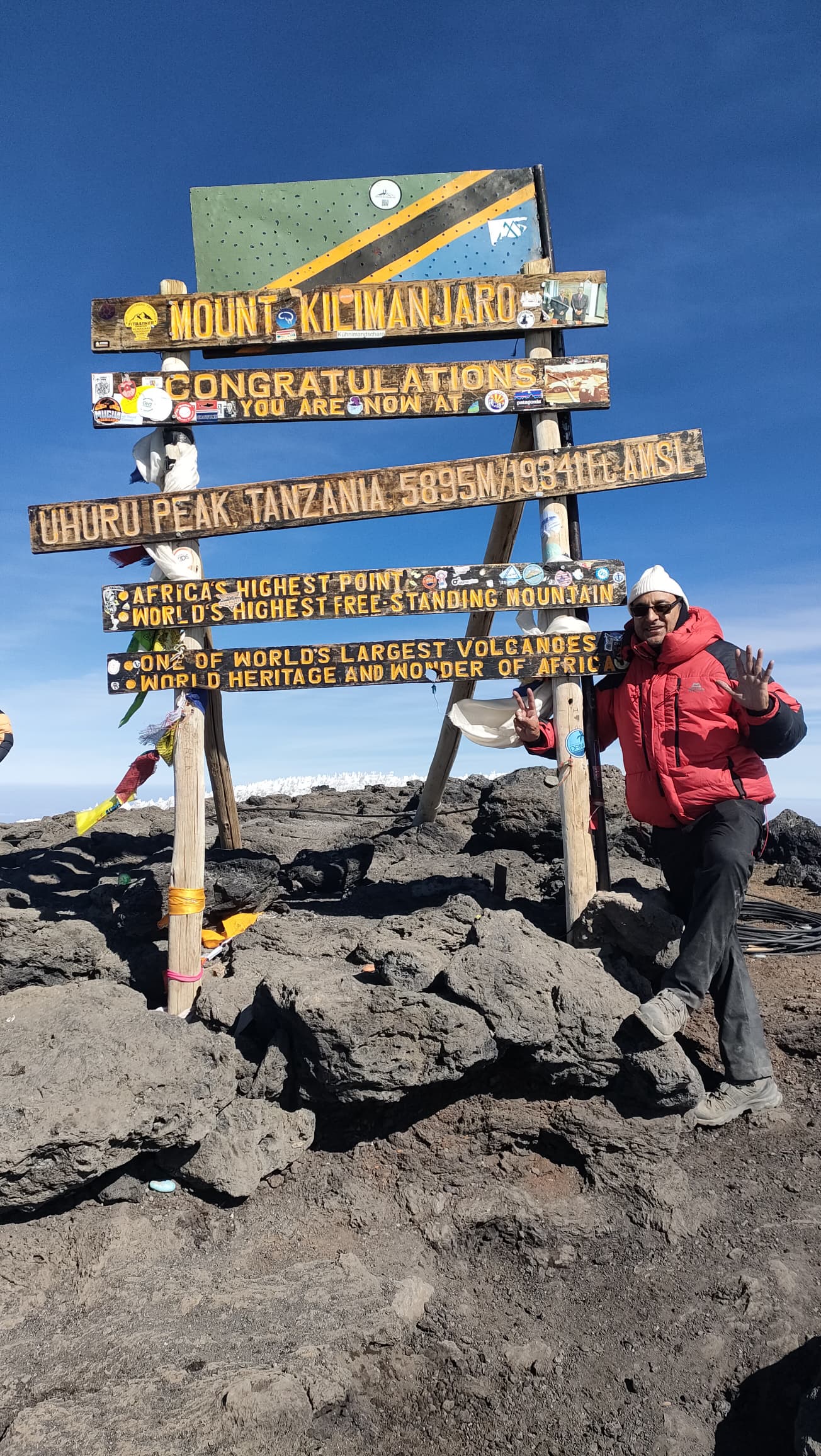
The Lemosho Route is widely considered the most beautiful path to Uhuru Peak — and one of the most successful. Starting from the remote western wilderness at Lemosho Gate, the route threads through pristine montane rainforest, across the vast Shira Plateau, past the towering Lava Tower and through the dramatic Barranco Valley before the final push to the Roof of Africa at 5,895 metres.
With seven full days on the mountain, you gain the gift of gradual acclimatisation — the single biggest factor in summit success. Our locally-born guides have spent their lives on these slopes. They read altitude, weather and your body with the precision of people who grew up here. The result: a 98% summit success rate and memories that last forever.
Breathtaking Scenery
Traverse rainforest, heathland, the Shira Plateau and alpine desert — more distinct ecosystems than any other Kilimanjaro route.
98% Summit Success
Seven days means your body adapts properly. Combined with our experienced guides and altitude monitoring, summit day becomes achievable.
Wildlife on the Trail
In the lower forest zones you may encounter colobus monkeys, blue monkeys, buffalo, antelope and even giraffe — a true wilderness safari on foot.
Elevation Profile — 7 Days
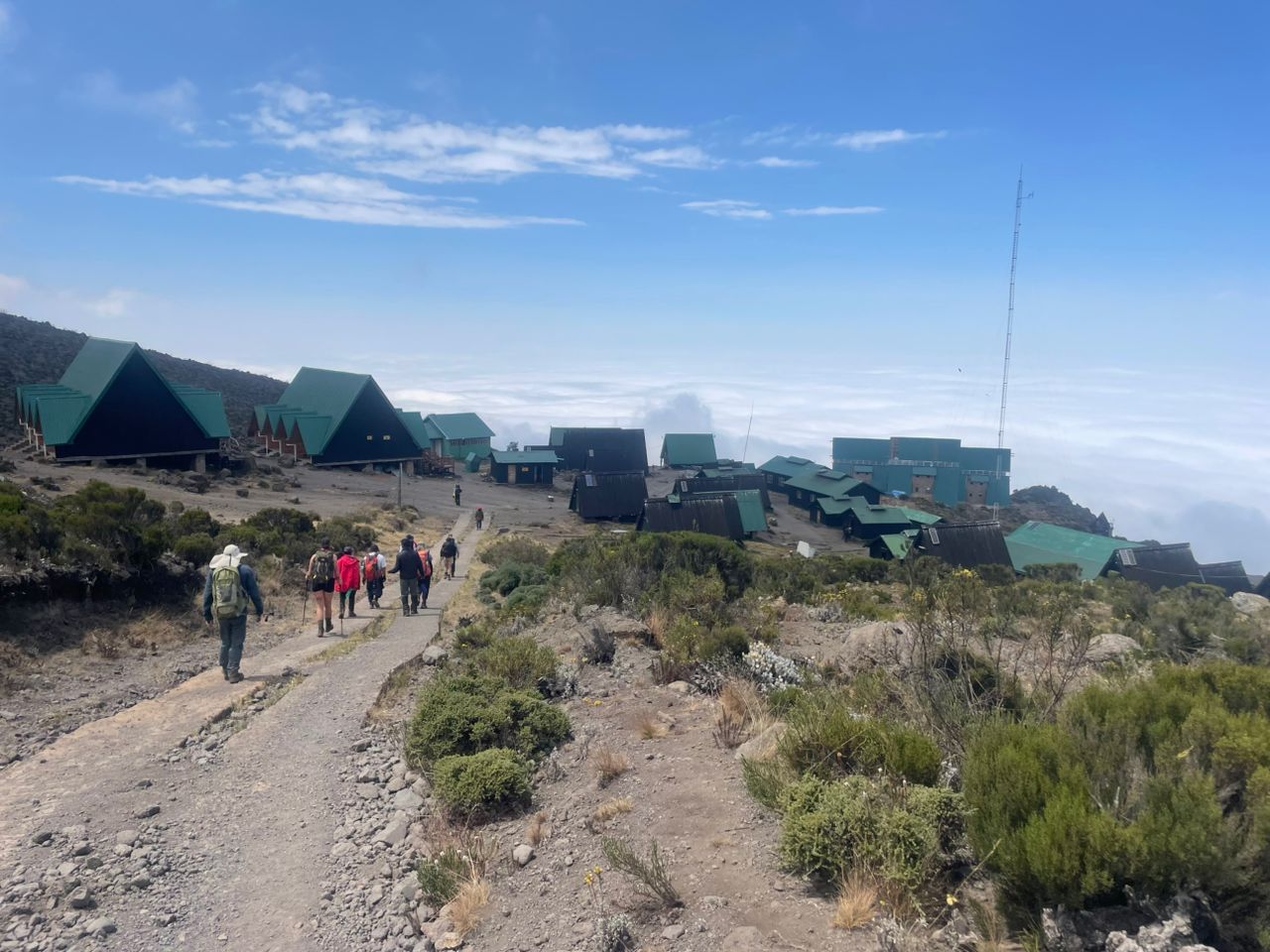
After breakfast at your hotel, we drive approximately 2–3 hours to Lemosho Gate (2,100m), completing park entry formalities before beginning our trek. We walk through lush, undisturbed montane rainforest — keep your eyes peeled for colobus and blue monkeys in the canopy overhead. The path undulates steeply at times before arriving at our first night's camp.
Today we leave the forest behind, ascending a steep track through zones of giant heather and volcanic rock. It's a full day climbing through rolling hills below the Shira Plateau — the third of Kilimanjaro's three volcanic cones. The trail eases as you reach the plateau's edge, where the iconic view of Kibo cone across the Shira Plateau awaits you. Camp is set at 3,610m with stunning sunset views.
A relatively shorter day spent crossing one of the highest plateaus on Earth. An optional side-trip to Shira Cathedral (3,872m) is highly recommended — the extra altitude exposure aids acclimatisation significantly. The plateau's sweeping vistas make this a photographer's dream. The day ends with a gradual climb to Shira 2 Camp.
The most critical acclimatisation day on the route. We climb steadily up to the base of Lava Tower (4,600m) — a 300-foot volcanic plug of immense power — then descend into the beautiful Barranco Valley past towering giant Senecios that look like something from another planet. Climb high, sleep low — your body adapts dramatically today. Barranco Camp sits beneath the iconic Barranco Wall.
The day begins with the legendary Barranco Wall — an exhilarating hands-and-feet scramble rewarded with spectacular views back across camp. Porters climbing the wall are a sight to behold. From the summit of the wall (4,200m) we follow an undulating path around the mountain with Kibo on one side and Mount Meru on the other before descending into Karanga valley and climbing steeply to camp.
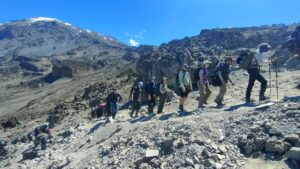
The most important day of your life on the mountain. After a short morning walk from Karanga to Barafu Camp (4,673m), we rest, eat and prepare for the summit. Around midnight, we begin the final climb by headtorch — a long, cold, breathtaking push through scree and ice to Stella Point (5,756m) on the crater rim. From there it's 45 minutes to Uhuru Peak (5,895m) — the Roof of Africa. The sunrise view is unforgettable. We then descend all the way to Mweka Camp for the night.
The final morning on the mountain — legs aching but hearts full. We descend through lush montane forest to Mweka Gate, where your official summit certificate awaits. Here your porters receive their tips and heartfelt goodbyes are exchanged. Our vehicle transfers you back to Moshi where a hot shower and a well-earned celebratory dinner await.
- All park entry fees & camping fees
- Professional licensed KPAP guide
- All porters and support staff
- All camping equipment (tents, sleeping mats, dining tent)
- Chef-prepared meals on the mountain (all meals from Day 1 lunch to Day 7 lunch)
- Hot drinks and snacks during the trek
- Pulse oximetry altitude monitoring throughout
- Emergency oxygen cylinder
- Transfer from/to Moshi hotel
- Kilimanjaro summit certificate
- All Tanzanian government taxes
- KINAPA rescue fees
- International flights and visa
- Travel insurance (required — must cover high altitude)
- Personal hiking equipment (boots, poles, sleeping bag)
- Hotel accommodation before / after the climb
- Tips for guides and porters (customary — guidelines provided)
- Alcoholic beverages
- Personal snacks and energy supplements
- Medication (Diamox etc.) — consult your doctor
Fitness & Preparation
No technical mountaineering experience is required. However, you should be able to walk 5–7 hours carrying a light daypack for 7 consecutive days. Begin training 3–4 months in advance with regular hiking, cardio and strength work. Altitude experience is helpful but not essential — our acclimatisation schedule handles the rest.
Best Seasons
The best months to climb are January–March and June–October when conditions are driest and clearest. We operate year-round, however — our guides know the mountain in all seasons and will brief you on current conditions pre-departure.
Essential Gear
- ›Waterproof hiking boots (well broken-in)
- ›Sleeping bag rated to -15°C
- ›Trekking poles (highly recommended)
- ›Waterproof jacket and trousers
- ›Warm fleece and thermal base layers
- ›Warm gloves, balaclava, warm hat
- ›Daypack 25–35L with rain cover
- ›Headlamp with spare batteries
Full gear list provided on booking confirmation.
Scenic Route
Kilimanjaro Machame Route — 6–7 Days
 Top Seller
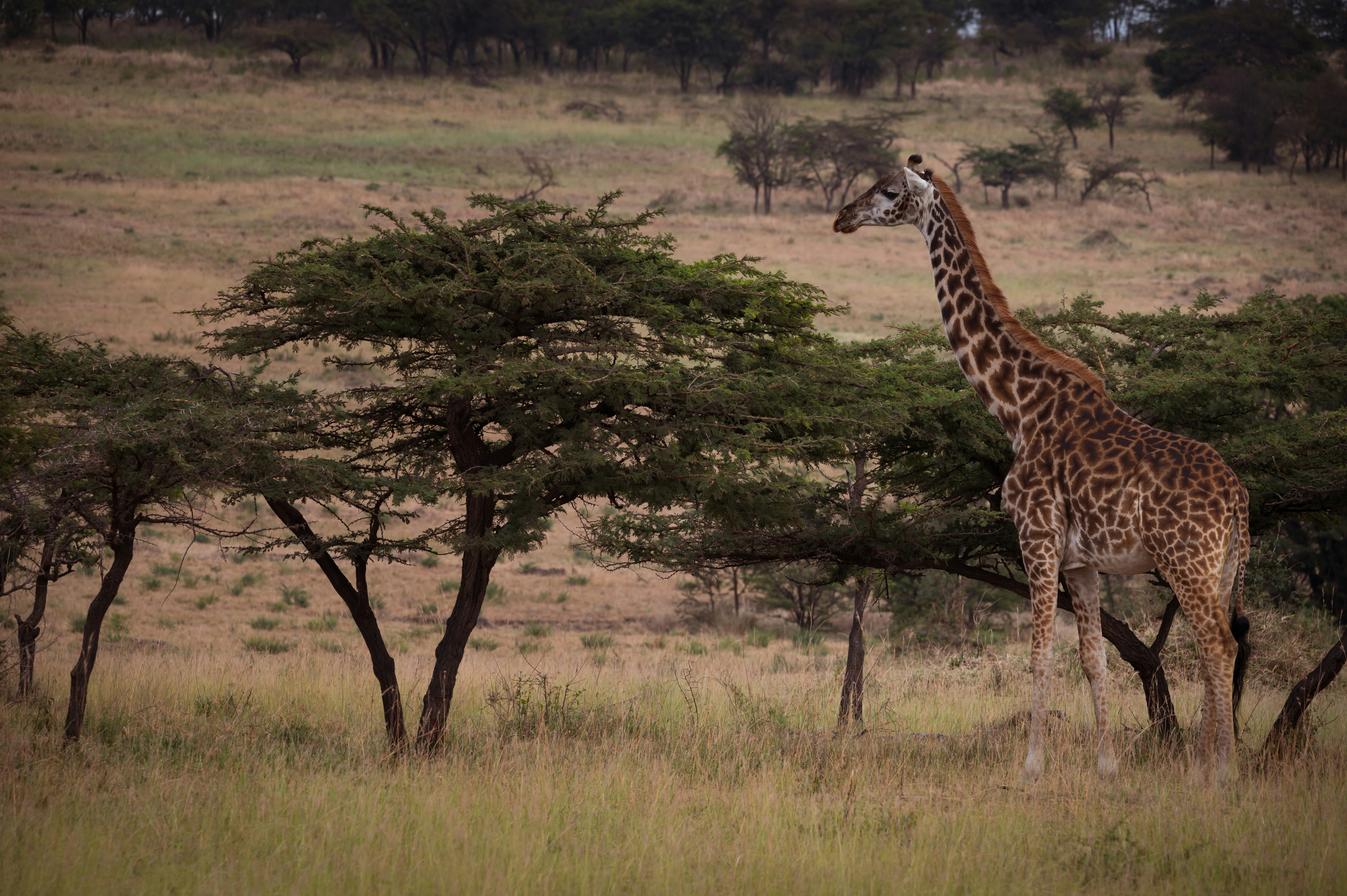
Tanzania Big Five — 5-Day Safari
 Honeymoon
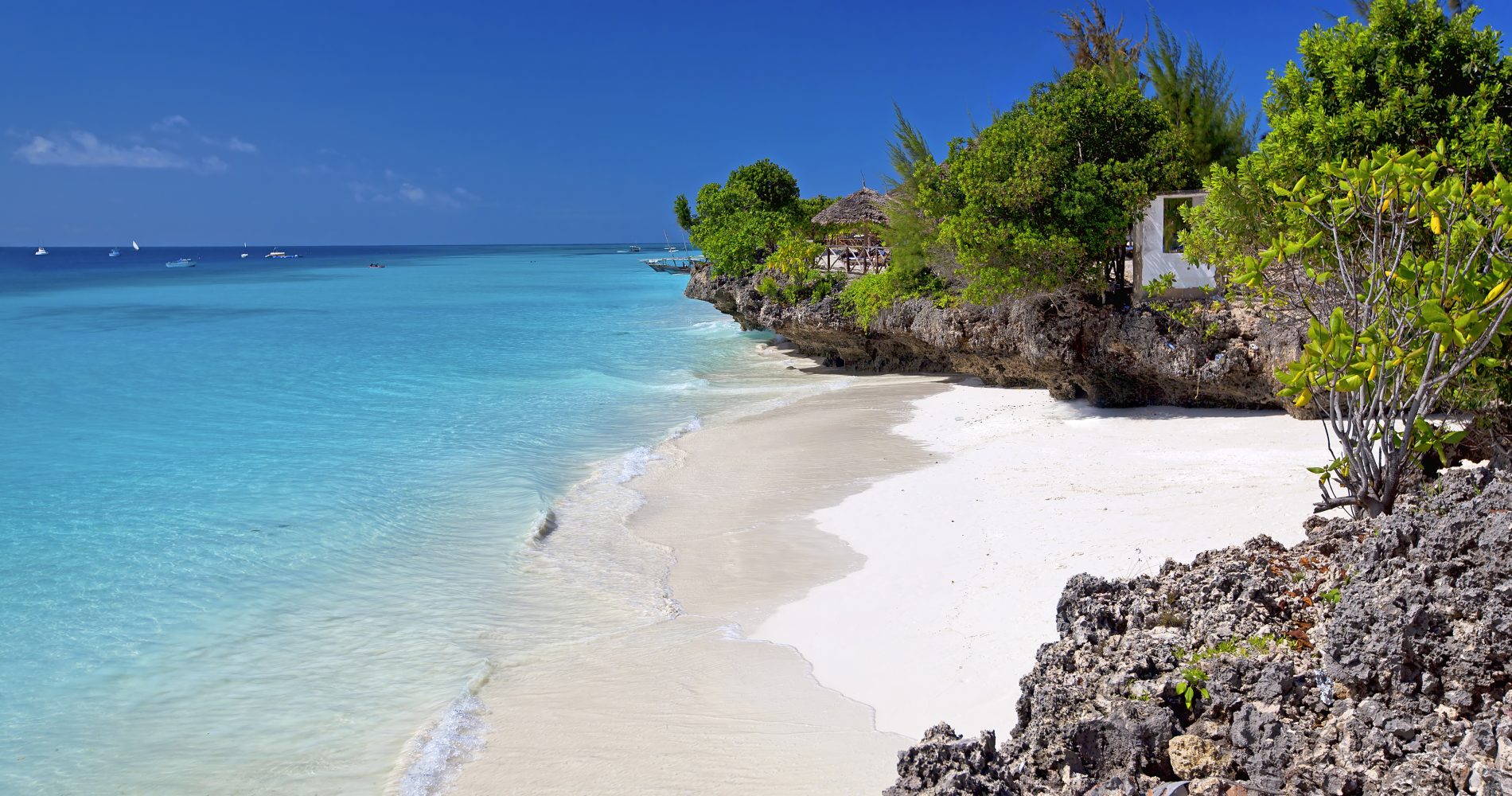
7-Day Romantic Zanzibar Getaway
The Summit Is Waiting
Ready to Climb Kilimanjaro?
Send us your dates and we'll build your personalised quote within 24 hours. No pressure, no hidden costs — just honest advice from people who live on this mountain.