8-Day Kilimanjaro
Lemosho Route
The Route
Tanzania's Most Scenic Kilimanjaro Route — Extended
The 8-Day Lemosho Route takes everything that makes the 7-day version exceptional — the remote western approach, the vast Shira Plateau, the dramatic Barranco Wall — and adds a crucial extra day at Lava Tower for superior acclimatisation. This is the Lemosho Route as it was meant to be experienced: unhurried, thorough, and with your body fully prepared for the summit.
Starting from the remote western wilderness at Lemosho Gate, the route threads through pristine montane rainforest, across the Shira Plateau, and up to the Lava Tower where we spend a full night at 4,600m before descending to Barranco. This climb high, sleep high, then sleep low pattern is the gold standard for altitude adaptation. Our locally-born guides have spent their lives on these slopes. The result: a 98%+ summit success rate and the most comprehensive Kilimanjaro experience available on this route.
Extra Acclimatisation Day
A full night at Lava Tower (4,600m) before descending to Barranco gives your body exceptional time to adapt — the single biggest factor in summit success.
98%+ Summit Success
Eight days means your body adapts properly and thoroughly. Combined with our experienced guides and altitude monitoring, summit day becomes highly achievable.
Wildlife on the Trail
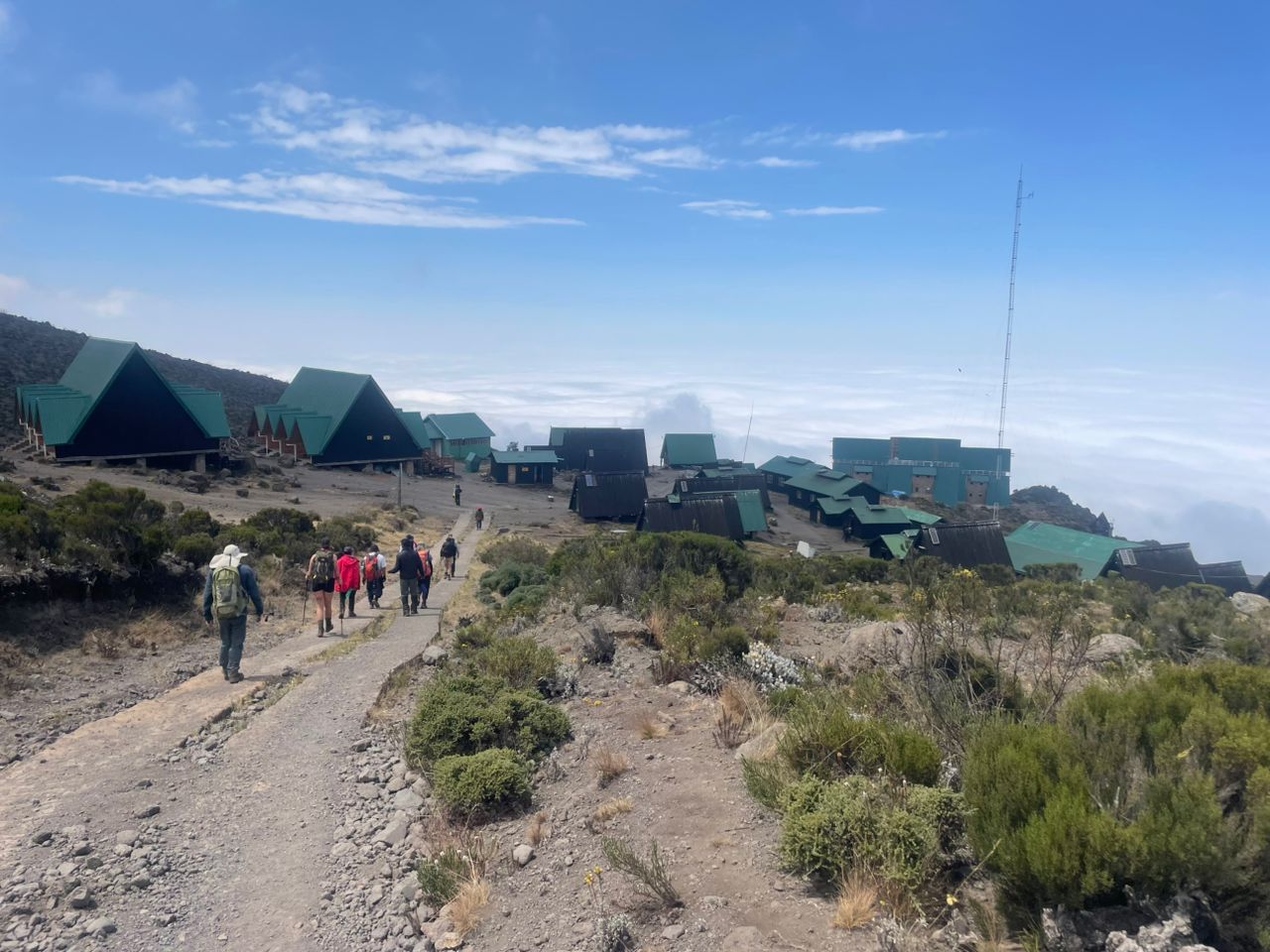
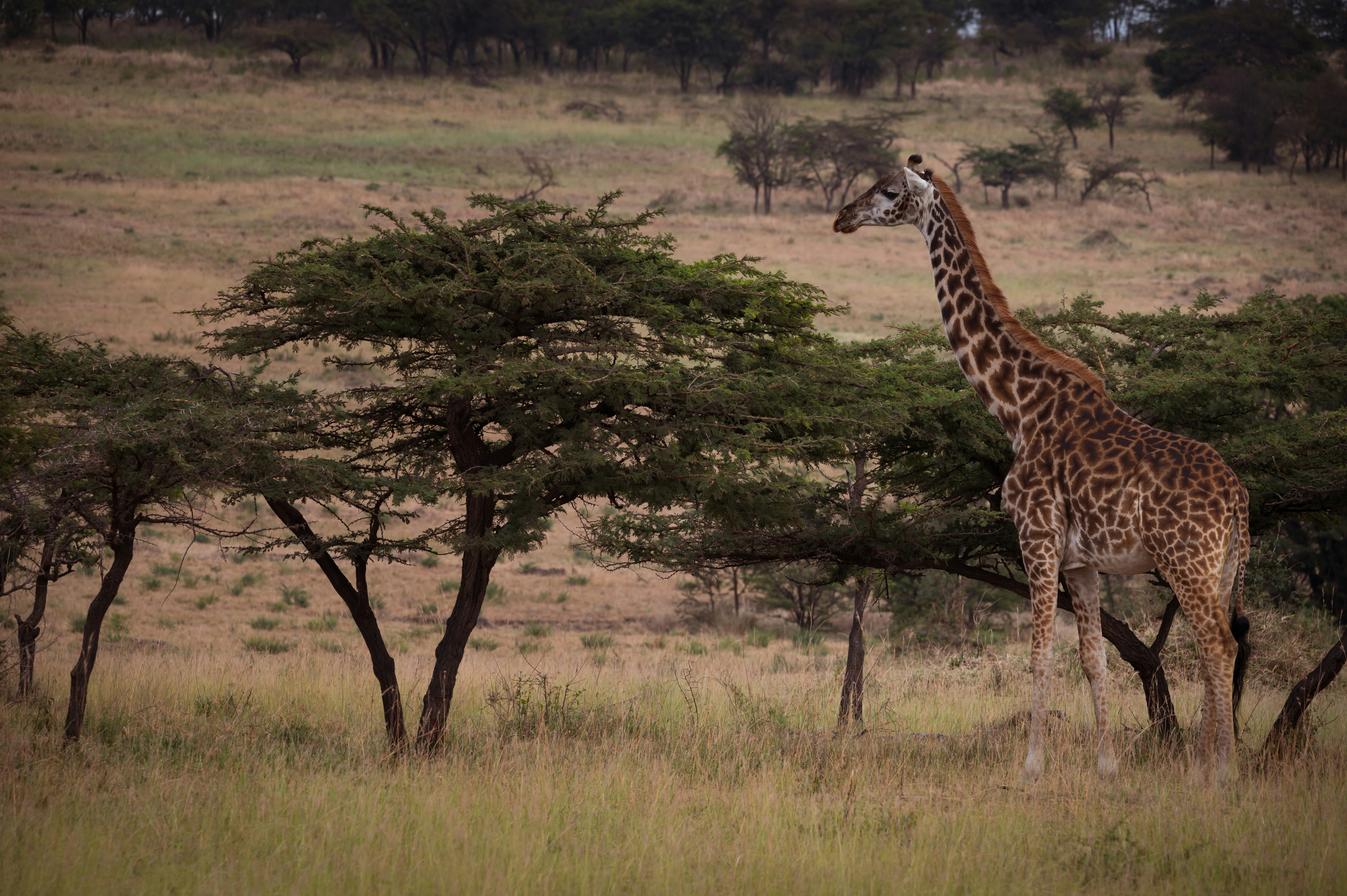
In the lower forest zones you may encounter colobus monkeys, blue monkeys, buffalo, antelope and even giraffe — a true wilderness safari on foot.
Elevation Profile — 8 Days
After breakfast at your hotel, we drive approximately 2–3 hours to Lemosho Gate (2,100m), completing park entry formalities before beginning our trek. We walk through lush, undisturbed montane rainforest — keep your eyes peeled for colobus and blue monkeys in the canopy overhead. The path undulates steeply at times before arriving at our first night's camp.
Today we leave the forest behind, ascending a steep track through zones of giant heather and volcanic rock. It's a full day climbing through rolling hills below the Shira Plateau — the third of Kilimanjaro's three volcanic cones. The trail eases as you reach the plateau's edge, where the iconic view of Kibo cone across the Shira Plateau awaits you. Camp is set at 3,610m with stunning sunset views.
A relatively shorter day spent crossing one of the highest plateaus on Earth. An optional side-trip to Shira Cathedral (3,872m) is highly recommended — the extra altitude exposure aids acclimatisation significantly. The plateau's sweeping vistas make this a photographer's dream. The day ends with a gradual climb to Shira 2 Camp.
This is where the 8-day Lemosho diverges from the 7-day version — and where your summit chances increase dramatically. We climb steadily to Lava Tower (4,600m), a dramatic 300-foot volcanic plug, and spend the night here. Sleeping at this altitude is the ultimate acclimatisation tool: your body produces extra red blood cells overnight. The camp is exposed and cold, but the experience is unforgettable. This extra night is the key difference that separates good summit odds from exceptional ones.
After breakfast we descend from Lava Tower into the beautiful Barranco Valley — the classic climb high, sleep low principle in action. The trail passes towering giant Senecios that look like something from another planet. Your body, having spent the night at 4,600m, now recovers at 3,900m with dramatically improved oxygen capacity. Barranco Camp sits beneath the iconic Barranco Wall with stunning views.
The day begins with the legendary Barranco Wall — an exhilarating hands-and-feet scramble rewarded with spectacular views back across camp. Porters climbing the wall are a sight to behold. From the summit of the wall (4,200m) we follow an undulating path around the mountain with Kibo on one side and Mount Meru on the other before descending into Karanga valley and climbing steeply to camp.
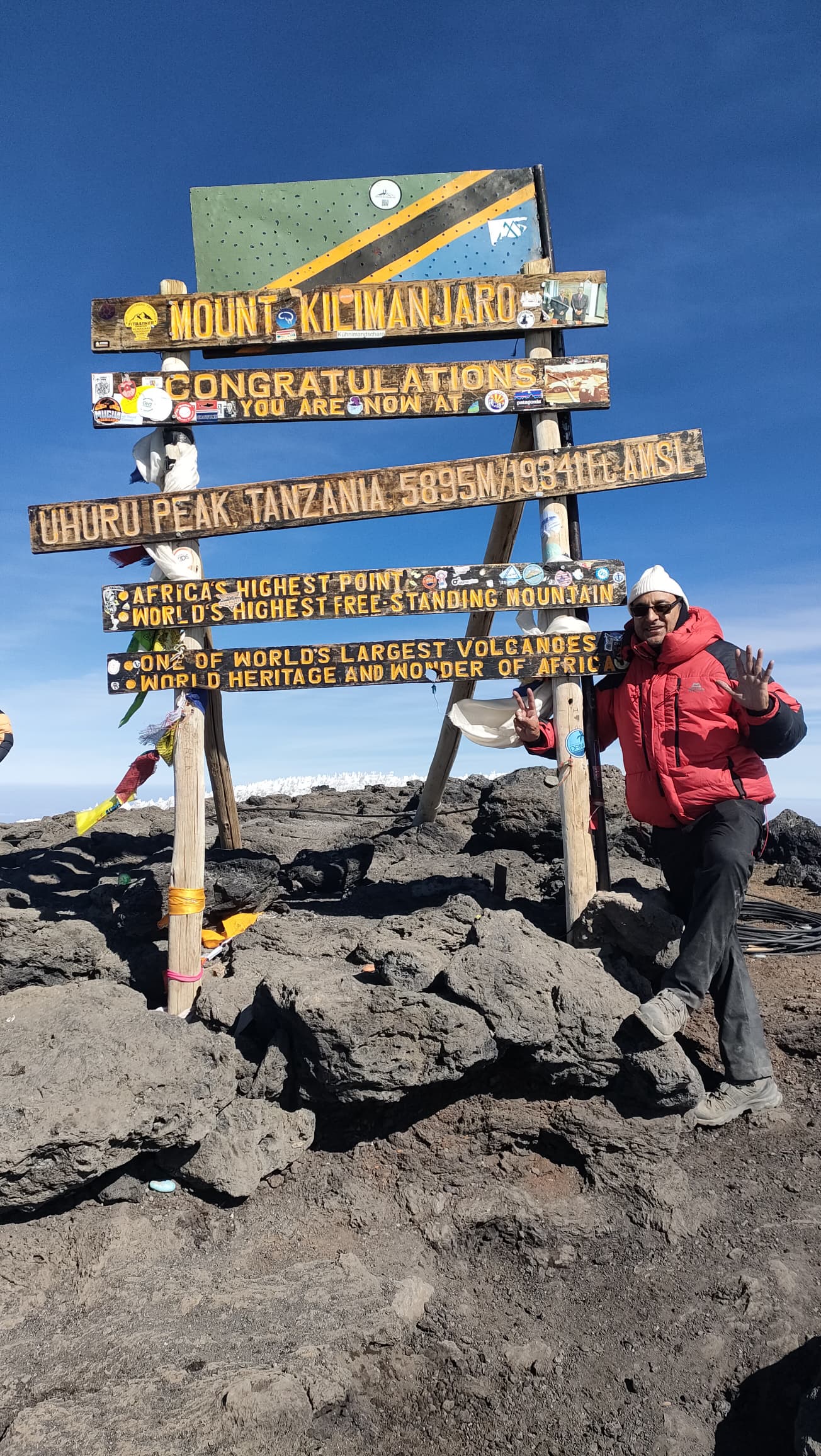
The most important day of your life on the mountain. After a short morning walk from Karanga to Barafu Camp (4,673m), we rest, eat and prepare for the summit. Around midnight, we begin the final climb by headtorch — a long, cold, breathtaking push through scree and ice to Stella Point (5,756m) on the crater rim. From there it's 45 minutes to Uhuru Peak (5,895m) — the Roof of Africa. The sunrise view is unforgettable. We then descend all the way to Mweka Camp for the night.
The final morning on the mountain — legs aching but hearts full. We descend through lush montane forest to Mweka Gate, where your official summit certificate awaits. Here your porters receive their tips and heartfelt goodbyes are exchanged. Our vehicle transfers you back to Moshi where a hot shower and a well-earned celebratory dinner await.
- All park entry fees & camping fees
- Professional licensed KPAP guide
- All porters and support staff
- All camping equipment (tents, sleeping mats, dining tent)
- Chef-prepared meals on the mountain (all meals from Day 1 lunch to Day 8 lunch)
- Hot drinks and snacks during the trek
- Pulse oximetry altitude monitoring throughout
- Emergency oxygen cylinder
- Transfer from/to Moshi hotel
- Kilimanjaro summit certificate
- All Tanzanian government taxes
- KINAPA rescue fees
- International flights and visa
- Travel insurance (required — must cover high altitude)
- Personal hiking equipment (boots, poles, sleeping bag)
- Hotel accommodation before / after the climb
- Tips for guides and porters (customary — guidelines provided)
- Alcoholic beverages
- Personal snacks and energy supplements
- Medication (Diamox etc.) — consult your doctor
7 or 8 Days?
Both the 7-day and 8-day Lemosho Routes are excellent choices. The 8-day version adds the extra night at Lava Tower (4,600m) — the highest sleep on the entire route before summit night. This gives your body a full 24 hours at altitude to produce additional red blood cells. For first-time high-altitude trekkers, those with concerns about altitude sickness, or anyone who wants the absolute best chance of summiting, the 8-day option is strongly recommended.
Best Seasons
The best months to climb are January–March and June–October when conditions are driest and clearest. We operate year-round, however — our guides know the mountain in all seasons and will brief you on current conditions pre-departure.
Essential Gear
- ›Waterproof hiking boots (well broken-in)
- ›Sleeping bag rated to -15°C
- ›Trekking poles (highly recommended)
- ›Waterproof jacket and trousers
- ›Warm fleece and thermal base layers
- ›Warm gloves, balaclava, warm hat
- ›Daypack 25–35L with rain cover
- ›Headlamp with spare batteries
Full gear list provided on booking confirmation.
Popular
Kilimanjaro Lemosho Route — 7 Days
Scenic
Kilimanjaro Machame Route — 6–7 Days
 Top Seller
Tanzania Big Five — 5-Day Safari
The Summit Is Waiting
Ready to Climb Kilimanjaro?
Send us your dates and we'll build your personalised quote within 24 hours. No pressure, no hidden costs — just honest advice from people who live on this mountain.